
Kevin Brockmeier
LXXI.
Imagine a ghost, two ghosts, seventeen. Imagine ghosts in their multitudes, churning and digressing, bending and interwriggling, in swarms if they were bees, in shoals if they were fish, far too many ghosts to count without years of effort and a good red branding marker. So take your marker, and take your years, and count them. The census might cost you half a lifetime, then half again the number of years that remain to you, and even so, though your bones will have grown fragile from osteoporosis and your skin will have foxed like old paper, there are bound to be ghosts you have missed, expanses you have failed to cover, whole skies of densely haunted space. So then: take the number of ghosts you have counted so far and multiply it by the difference between the size of the planet and the tiny patch of it your days have allowed you to explore. Remember that the ghosts of the recent past are only a small fraction of those that history has provided, and that over the sum and the bloodbath of the world’s centuries more people are likely to have died than you have guessed. Therefore, presuming that ghosts do not corrode or perish, the number you have reached is probably an underestimation. Make that presumption. Add to your total three more than four times the number of ghosts you have already determined. Remember, too, that everyone is mud and salt, and that time is pouring through you, and that since you began making your calculations, long ago when your body was so much younger and healthier, the ghosts have increased their membership by the legions of the newly deceased: by your grandparents, your parents, your aunts and uncles; by several or even most of your childhood friends; by the many celebrities who once seemed permanently famous, and even perhaps believed that they were. Take two-thirds of the people you knew forty years ago and combine this number with your earlier result.
That was the algebra. Now for the calculus. Let Q be the point of intersection between the circle of your lifespan and the circle of the hereafter. Let R be the point of intersection between the circle of eternity and the circle of whatever timeless limbo preceded your birth. Let T be the coordinate where the line passing through these points approaches its limit. In an afterworld so crowded with the dead, what place could there possibly be for you? Solve.
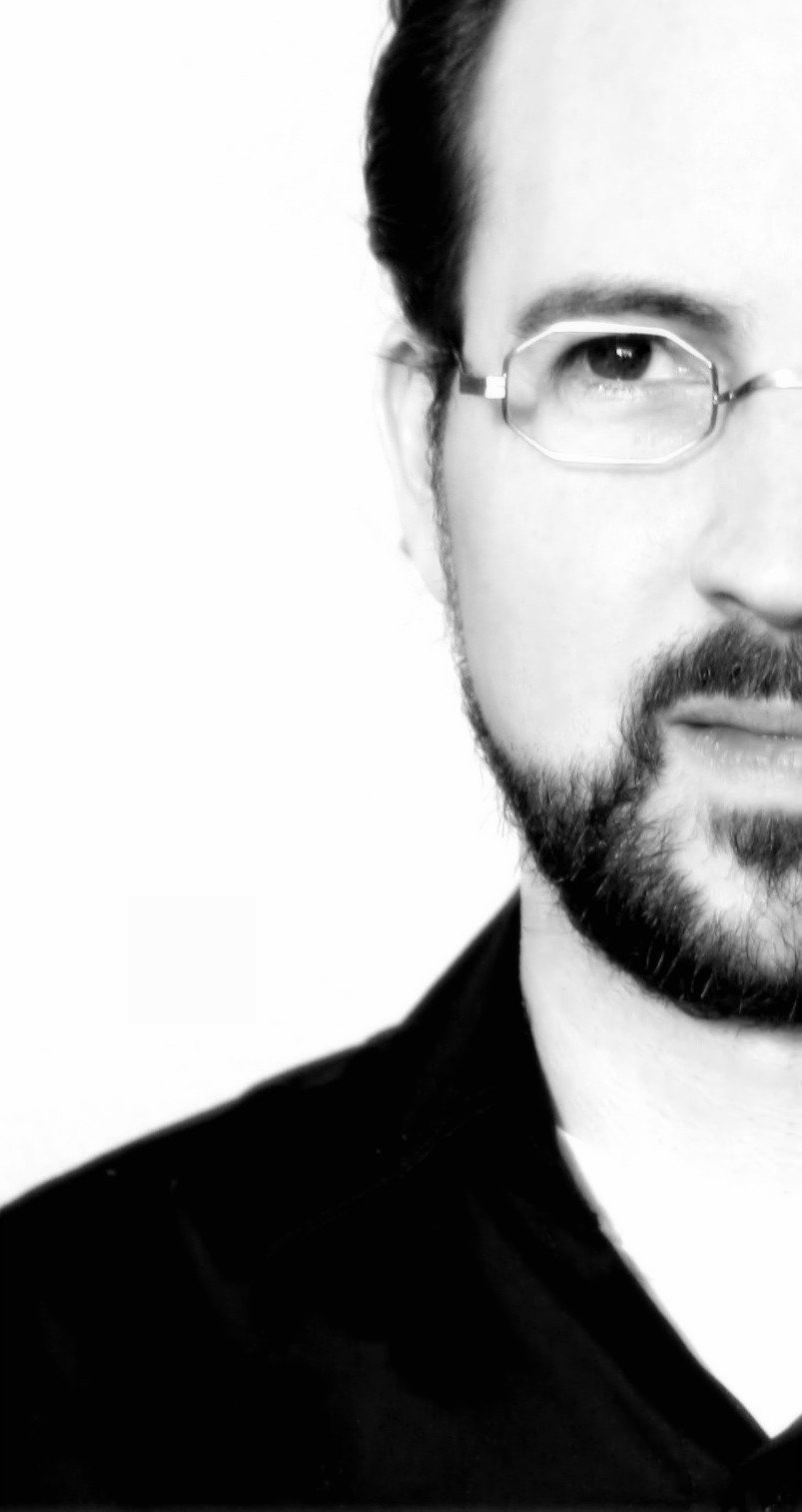
Kevin Brockmeier has published nine books of (mostly) fiction, including, most recently, a collection of very short stories called The Ghost Variations: One Hundred Stories (Pantheon, 2021). His work has been translated into eighteen languages. He teaches frequently at the Iowa Writers’ Workshop, and lives in Little Rock, Arkansas, where he was raised.